Author: admin

Ireland

Ireland, the Cradle of Folklore

January 12, 2017

Ireland holds a unique place in the world of folklore. Its landscapes, myths, and oral traditions have shaped centuries of storytelling and continue to influence modern fantasy. Long before fantasy became a genre, Ireland was already a land of legends.

This article explores why Irish folklore remains one of the strongest foundations of fantasy culture.

A Land Shaped by Stories

For centuries, Irish culture relied on oral tradition. Stories were passed from generation to generation, shaped by memory, place, and voice. These tales were not only entertainment — they were a way of preserving history, values, and identity.

This deep relationship with storytelling gave Irish folklore a richness that still resonates today.

Myths, Creatures, and Sacred Landscapes

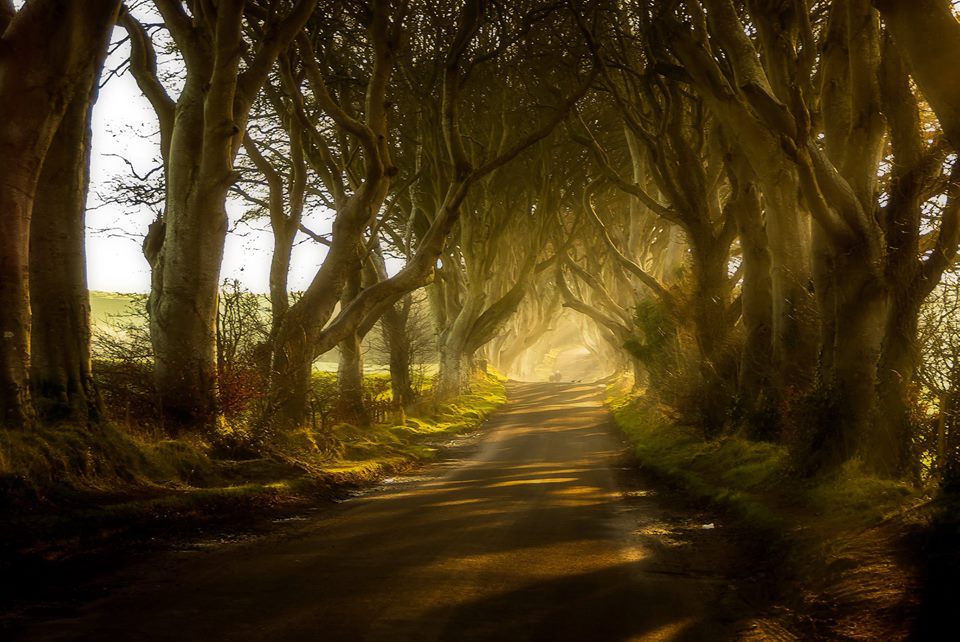
Ireland’s folklore is inseparable from its land. Hills, forests, lakes, and ruins are often tied to myths and legendary beings. Fair folk, ancient heroes, spirits, and shapeshifters inhabit places that feel timeless and alive.

These stories transform ordinary landscapes into sacred spaces — a concept that remains central to fantasy world-building.

Symbols and Themes That Endure

Recurring themes in Irish folklore include transformation, fate, loss, and the thin boundary between worlds. These ideas appear constantly in modern fantasy, often without their origin being consciously recognized.

Symbols such as circles, stones, and natural thresholds continue to inspire writers, artists, and creators across genres.
Influence on Modern Fantasy

From literature to games and films, Irish folklore has left a lasting mark on fantasy. Its creatures, narrative structures, and emotional depth can be found in countless modern worlds.

What makes this influence so strong is its balance: magic feels present but restrained, powerful yet fragile.

Conclusion

Ireland’s folklore is not frozen in the past. It lives on through the stories we tell and the worlds we imagine. As the cradle of folklore, Ireland continues to shape fantasy — quietly, deeply, and across generations.
Latest Articles

  • The Symbols of Fantasy

  • Creating a Fantasy Atmosphere at Home

  • Book Recommendation

Continue reading

How to Start a Fantasy Collection

How to Start a Fantasy Collection

January 12, 2017

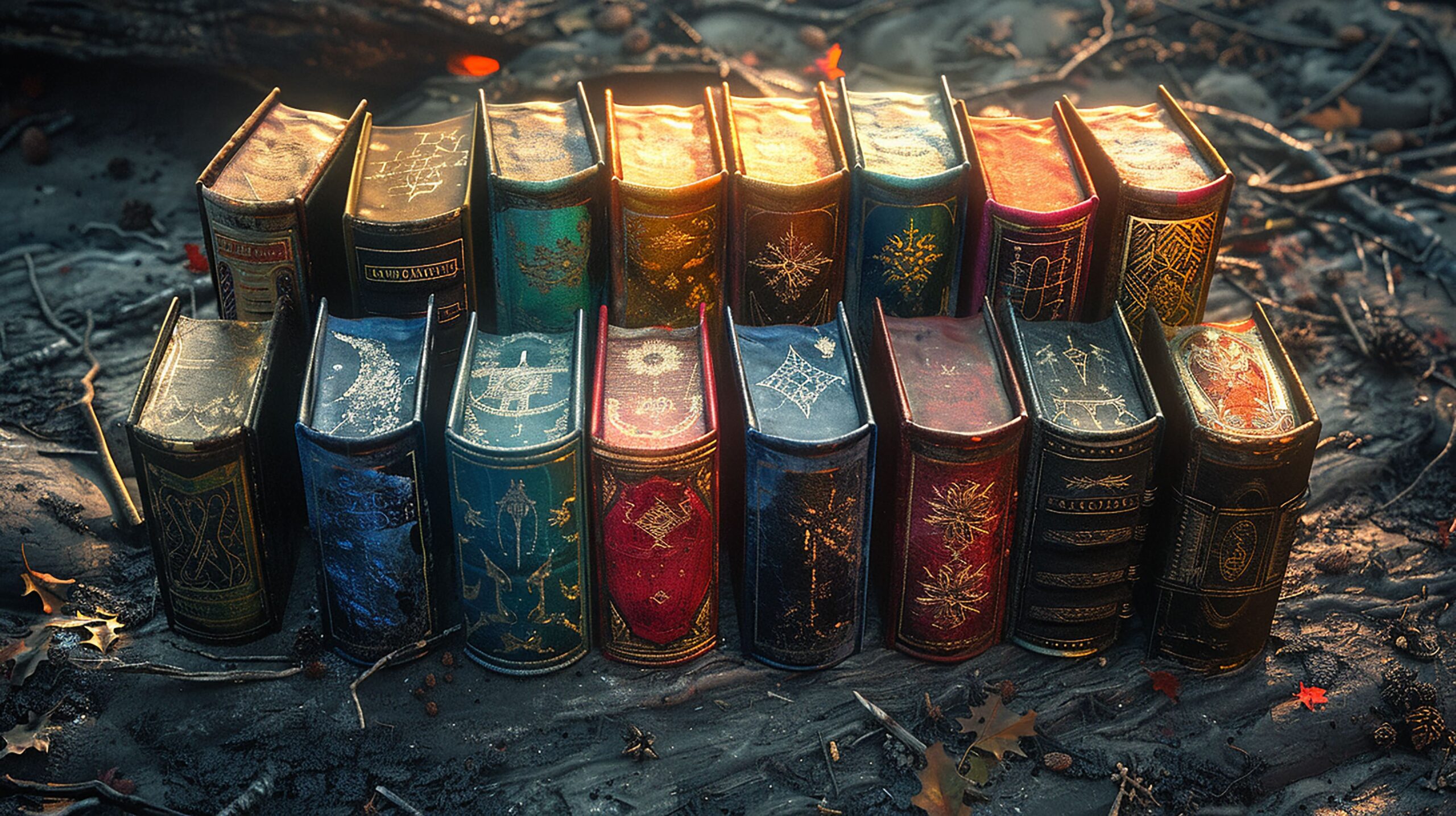
Starting a fantasy collection isn’t about accumulation. It’s about intention. A meaningful collection grows slowly, guided by taste, emotion, and personal connection rather than trends or quantity.

This article offers a simple approach to building a fantasy collection that feels cohesive, personal, and lasting.

Start Small and Intentional

The strongest collections rarely begin with many pieces. Starting small allows each object to have space and meaning. Instead of asking what should I buy?, ask what resonates with me?

A single object chosen with care often says more than a shelf filled without purpose.

Avoid Purely Decorative Pieces

Decoration fades quickly. Objects chosen only for appearance often lose their appeal once the novelty disappears. A fantasy collection gains value when each piece suggests a story, a symbol, or a sense of presence.

Look for objects that feel anchored — as if they belong to a larger world, even if that world exists only in imagination.

Build Around a Theme or Feeling

A collection doesn’t need a strict theme, but it benefits from coherence. This could be a recurring symbol, a material, a color palette, or simply a shared atmosphere.

Let the collection grow organically. Over time, patterns will emerge naturally, giving it identity without forcing structure.

Let the Collection Evolve

A collection is never finished. As taste evolves, so should the objects you keep. Removing pieces is as important as adding new ones. Fantasy collections feel alive when they adapt.

There’s no rush. Meaning takes time.

Conclusion

A fantasy collection should feel personal, not performative. Built with intention and patience, it becomes more than a display — it becomes a quiet extension of imagination.

Latest Articles

  • The Symbols of Fantasy

  • Creating a Fantasy Atmosphere at Home

  • Ireland, the Cradle of Folklore

Continue reading

Book Reco

Book
Reco:
Alchemised

January 12, 2017

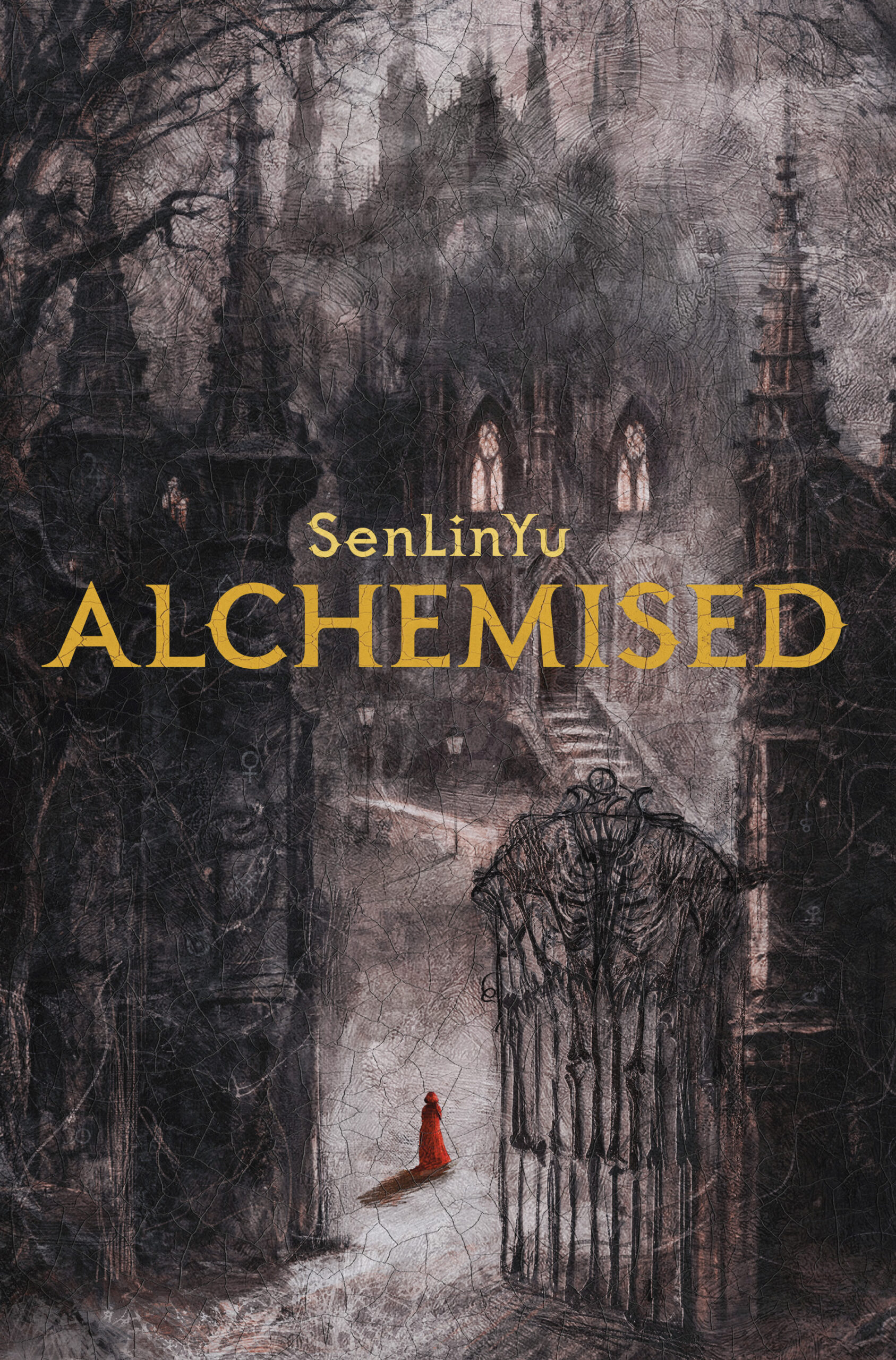
Some books don’t rely on spectacle or endless world-building to leave an impression. Alchemised is one of those stories. Quiet, symbolic, and deeply atmospheric, it feels less like a traditional fantasy novel and more like a modern myth.

This recommendation focuses on what makes Alchemised stand out — and why it resonates so strongly with readers drawn to meaning, transformation, and subtle magic.

A Story Built on Transformation

At its core, Alchemised is about change. Not the kind driven by epic battles or grand quests, but inner transformation. The story explores how individuals evolve through loss, discovery, and choice — themes closely tied to the idea of alchemy itself.

Rather than explaining everything, the narrative allows space for interpretation. Meaning unfolds gradually, rewarding attentive reading and emotional engagement.

Symbolism Over Spectacle

What makes Alchemised particularly compelling is its use of symbolism. Objects, places, and actions often carry a second layer of meaning. Nothing feels accidental, yet nothing is overexplained.

This approach creates a sense of depth. The reader is invited to feel the story rather than consume it quickly. Symbols act as anchors, grounding the fantasy in something intimate and reflective.

A Different Kind of Fantasy Atmosphere

The atmosphere of Alchemised is restrained and deliberate. Magic exists, but it is subtle. Power is suggested rather than displayed. Silence and stillness play as important a role as action.

This makes the book especially appealing to readers who enjoy fantasy that leans toward mood and introspection rather than constant intensity.

Who This Book Is For

Alchemised will resonate with readers who:

  • appreciate symbolic storytelling

  • enjoy slower, more thoughtful narratives

  • are drawn to fantasy rooted in emotion and meaning

  • prefer atmosphere over spectacle

It may not suit those looking for fast-paced action, but for the right audience, it leaves a lasting impression.

Conclusion

Alchemised is not just a fantasy novel — it’s an experience. One that invites reflection, patience, and emotional connection. Its strength lies in what it suggests rather than what it shows.

A quiet recommendation, but a powerful one.

Latest Articles

  • The Symbols of Fantasy

  • Creating a Fantasy Atmosphere at Home

  • How to Start a Fantasy Collection

Continue reading

Creating a fantasy atmosphere

Creating a Fantasy Atmosphere at Home

January 12, 2017

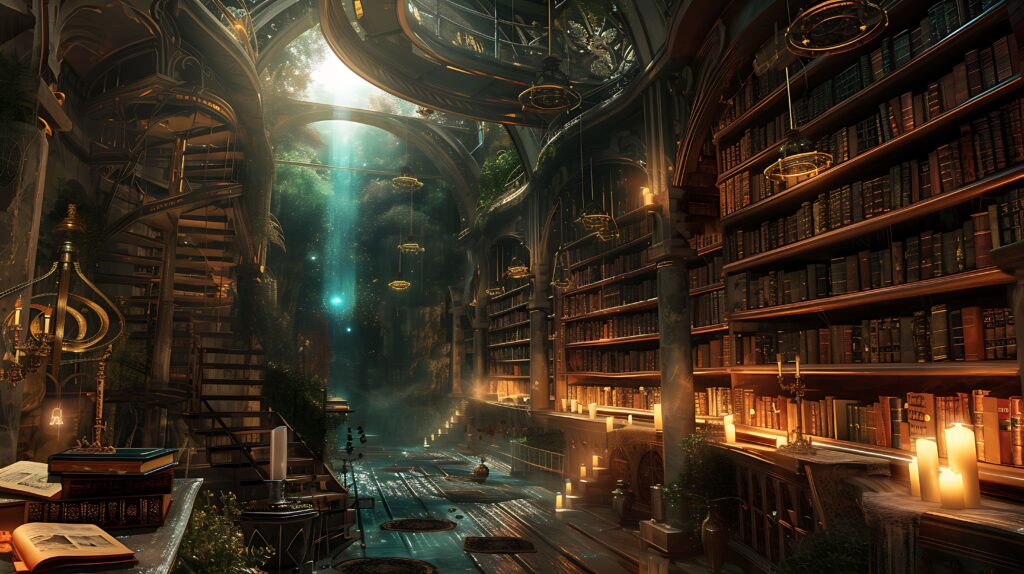
Creating a fantasy atmosphere at home isn’t about turning your space into a movie set. It’s about subtlety, mood, and intention. Fantasy works best when it whispers rather than shouts — when it suggests a world instead of recreating it.

This article explores how to bring a fantasy-inspired atmosphere into your home in a refined, personal way.

Start With Atmosphere, Not Objects

A common mistake is to focus on objects first. True atmosphere begins with what you feel when you enter a room. Calm, mystery, warmth, silence — these sensations matter more than decoration.

Before adding anything, consider the emotion you want to create. A fantasy atmosphere should feel immersive, not cluttered. Fewer elements, chosen carefully, will always have more impact than many objects without purpose.

Light and Shadow as Storytelling Tools

Light plays a central role in fantasy worlds. Soft, indirect lighting creates depth and contrast, allowing shadows to exist. Shadows invite imagination — they suggest what might be hidden rather than revealing everything at once.

Candles, warm lamps, and low-intensity light sources help transform a space. Avoid harsh or overly bright lighting. Fantasy thrives in gradients, not in flat illumination.

Materials That Feel Timeless

Textures matter as much as shapes. Natural materials such as wood, stone, leather, or metal instantly ground a space and make it feel older, more rooted.

These materials carry imperfections, and imperfections add character. Fantasy worlds rarely feel sterile. A worn surface, a rough edge, or a handmade detail can bring more atmosphere than something perfectly polished.

Choosing Meaningful Objects

When adding objects, choose pieces that feel intentional. An object should suggest a story, even if that story remains undefined. Ask yourself whether it feels decorative or meaningful.

A single artifact placed carefully can become a focal point. It doesn’t need to be explained. Its presence alone should feel justified — as if it belongs there naturally.

Creating a Personal Sanctuary

A fantasy-inspired space should feel like a refuge. It’s not meant to impress others, but to ground you. Silence, balance, and simplicity help create a space where imagination can breathe.

Over time, let the atmosphere evolve. Add or remove elements as your taste changes. Fantasy is not static — it grows with the person who inhabits it.

Conclusion

Creating a fantasy atmosphere at home is less about imitation and more about intention. Through light, materials, and carefully chosen objects, a space can become a quiet extension of imagination.

Fantasy doesn’t need excess. It needs space to exist.

Latest Articles

  • The Symbols of Fantasy

  • How to Start a Fantasy Collection

  • Ireland, the Cradle of Folklore

Continue reading

Symbols in Fantasy

The Symbols of Fantasy

January 12, 2017

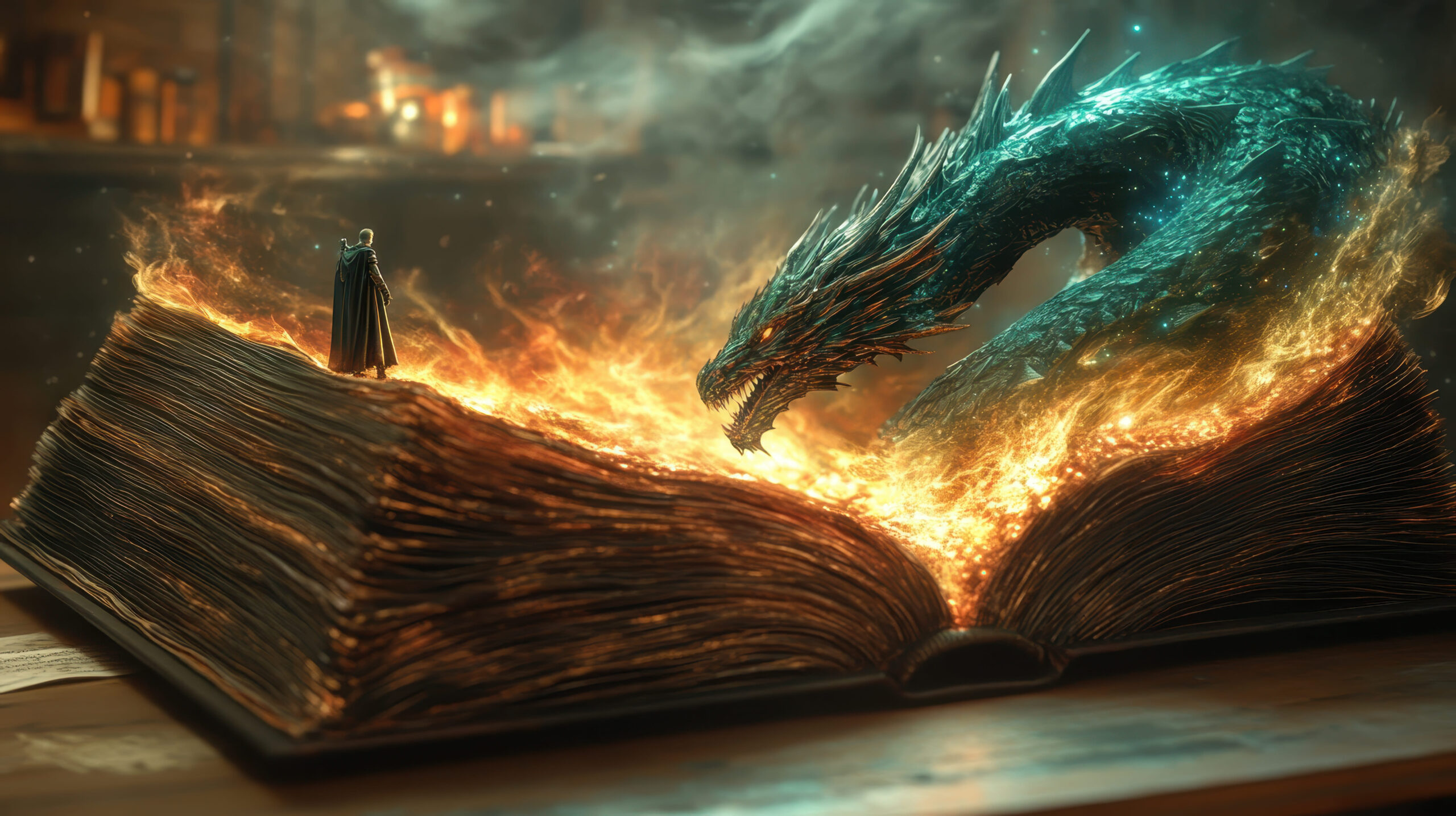
Fantasy worlds are built on symbols. Dragons, runes, ancient weapons, sacred circles — none of these elements exist by chance. They are visual shortcuts to meaning, power, fear, or hope. Long before fantasy became a genre, symbols were already shaping the way humans told stories and understood the unknown.

This article explores why symbols are at the very heart of fantasy, and why they continue to resonate so strongly today.

Why Symbols Matter in Fantasy

Symbols allow fantasy worlds to feel deep without needing long explanations. A single image can communicate history, danger, or mystery instantly. When we see a ruined sword, a glowing rune, or a dragon silhouette, we instinctively feel that it means something — even before knowing the story behind it.

Fantasy relies on this shared visual language. Symbols act as anchors between imagination and emotion. They help readers and viewers connect to worlds that do not exist, by using forms that feel ancient, familiar, and charged with meaning.

Dragons, Runes, and Recurring Motifs

Certain symbols appear again and again across fantasy worlds.

Dragons often represent power, chaos, wisdom, or guardianship. Sometimes they are threats, sometimes protectors, but they are never insignificant. Their presence alone reshapes the balance of a world.

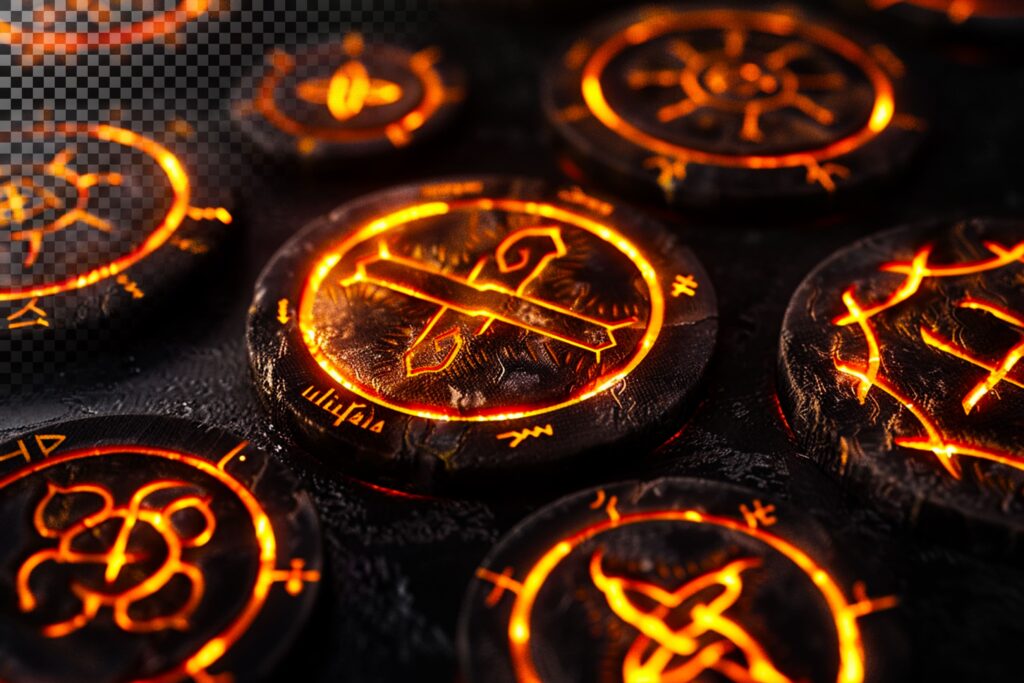
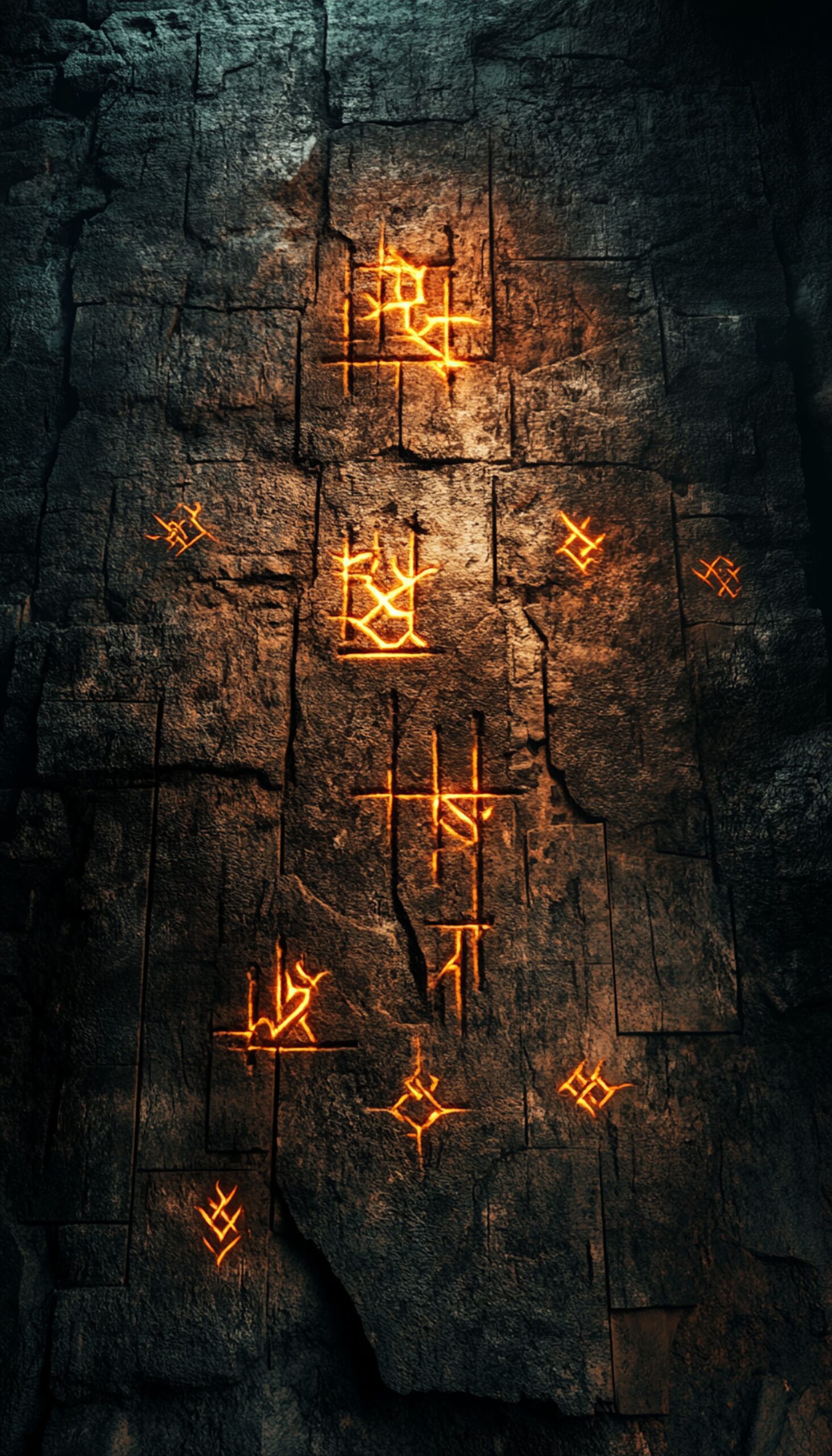
Runes and sigils suggest knowledge, magic, and hidden systems. They imply that the world follows rules — rules that can be learned, mastered, or broken. Even unreadable symbols feel meaningful, as if they belong to an older language we have forgotten.

Sacred circles, relics, and artifacts often symbolize boundaries: between life and death, order and chaos, past and present. They mark places or objects where something important happened — or is about to happen.These motifs persist because they speak directly to intuition. We may not always know what they mean, but we feel their weight.

Roots in Myth and Folklore

Fantasy symbols did not appear out of nowhere. Most of them are inherited from myths, folklore, and ancient belief systems.

Before written stories, symbols were passed orally or visually. They were carved into stone, drawn on shields, or woven into rituals. Over time, these forms became associated with ideas such as protection, transformation, or divine power.

Modern fantasy draws heavily from these roots. Even when reimagined or stylized, the symbols retain their original force. This continuity is what gives fantasy its sense of timelessness — the feeling that these worlds existed long before we discovered them.

Symbols in Modern Fantasy Worlds

In books, games, films, and objects, symbols continue to shape fantasy aesthetics.

They help define factions, cultures, and identities. A single emblem can tell us who belongs where, who holds power, or who is forbidden. Symbols also guide emotional responses: comfort, fear, curiosity, reverence.

In modern fantasy design, symbols are often refined, minimal, or abstract — but their function remains the same. They give depth. They suggest unseen histories. They invite interpretation rather than explanation.

Why Symbols Still Resonate Today

In a world saturated with information, symbols offer something rare: silence and meaning. They do not explain themselves fully. They ask to be felt rather than decoded.

Fantasy symbols resonate because they slow us down. They create space for imagination. They remind us that not everything needs to be explicit to be powerful.

Whether found in a story, a game, or a physical object, symbols allow fantasy to exist beyond words. They turn imagination into something almost tangible — something we recognize without fully understanding.

Conclusion

Symbols are the foundation of fantasy. They connect modern worlds to ancient myths, emotion to imagination, and the visible to the unseen.

In fantasy, symbols are not decoration. They are language. And it is through this language that fantasy continues to speak to us — quietly, deeply, and across time.

Latest Articles

  • Creating a Fantasy Atmosphere at Home

  • Book Recommendation

  • How to Start a Fantasy Collection

Continue reading